AudioCodes
con4PAS has become the AudioCodes Channel Partner with the certification:
Registered VAR / Systems Integrator

con4PAS has become the AudioCodes Channel Partner with the certification:
Registered VAR / Systems Integrator

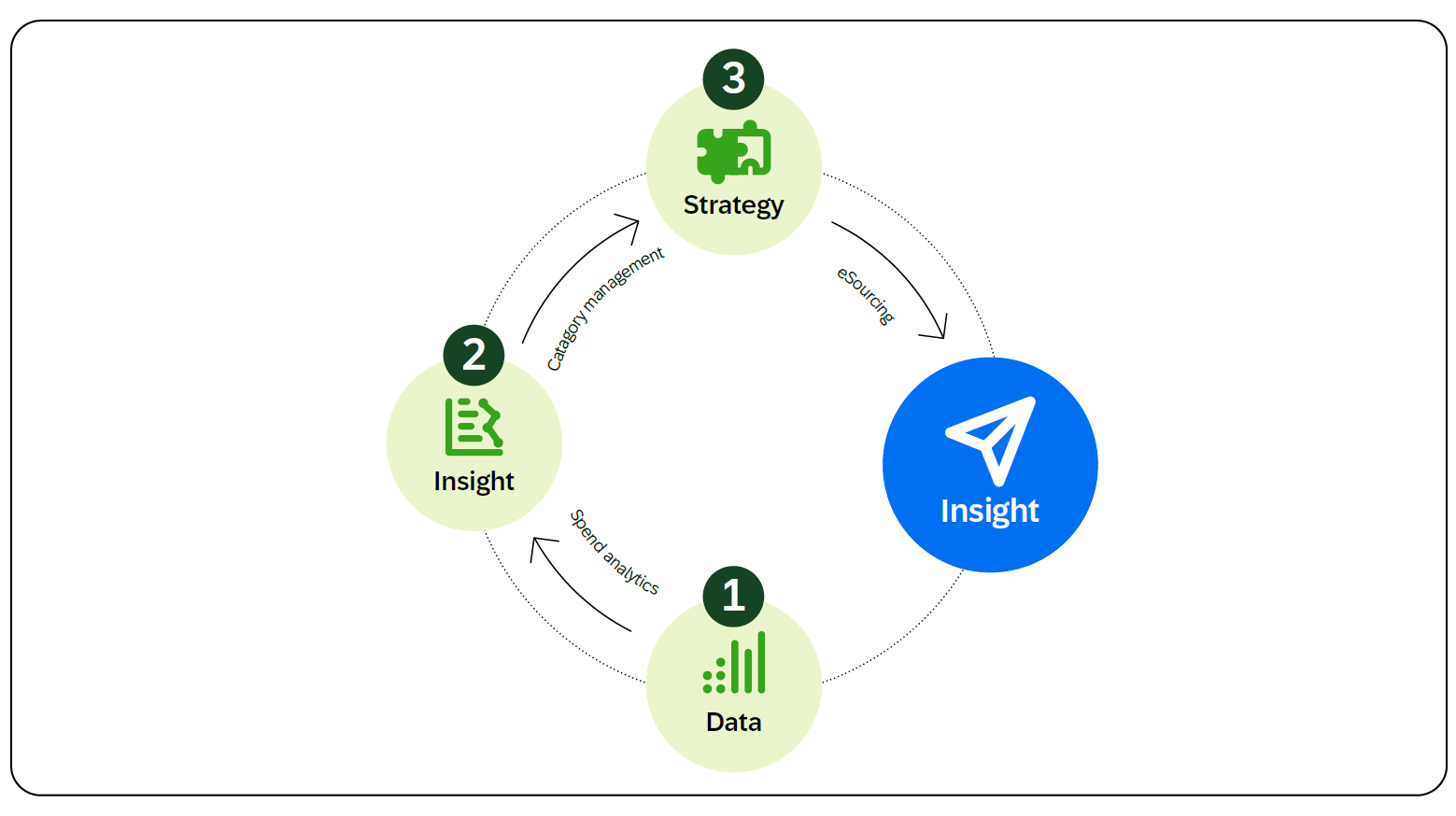
Procurement leaders are under pressure to deliver savings—without losing momentum on risk, ESG, and supplier-driven innovation. An executive briefing based on an Ardent Partners webinar argues that the most reliable way to scale impact is to connect three disciplines into one loop: spend analytics (insight), category management (strategy), and sourcing execution (action). Together, they form the “Triple Crown of Procurement”: a practical path from visibility to decisions to measurable results.
The “Triple Crown” mindset: insight, strategy, action
The briefing presents modern procurement performance as an integrated system, rather than a set of separate initiatives. Spend analytics provides visibility and context; category management converts that insight into a plan; and sourcing turns the plan into outcomes. The key point is feedback: sourcing results must flow back into analytics and strategy, so the organization improves continuously—rather than creating strategies that sit on a shelf for a year.
What CPOs are being asked to deliver right now
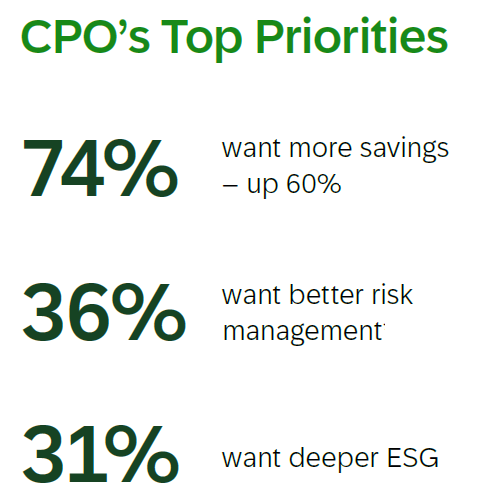
In an environment of economic pressure, savings remain the baseline expectation for procurement leaders. The briefing cites Ardent Partners' research showing that 74% of CPOs want more savings (up 60%), while 36% prioritize better risk management and 31% want deeper ESG impact. At the same time, CPOs say that moving procurement to the next level requires earlier involvement in sourcing, stronger data visibility, and more capable teams. These priorities highlight a simple reality: procurement can’t scale impact without better information, tighter alignment with the business, and more repeatable execution.
Insight: modern spend analytics turns data into decisions
Spend visibility is the foundation of CPO value—but visibility alone is not enough. The briefing emphasizes that modern spend analytics must combine internal, supplier, and third-party data, then classify, harmonize, cleanse, and enrich it so procurement teams can spot benchmarks, trends, and savings opportunities faster. It also points to the practical “sweet spot” for AI in procurement: analyzing large volumes of data, detecting patterns, and recommending actions that increase business value. One example is using historical bidding behavior to suggest a second round of bidding when suppliers typically reduce prices later, supporting the top priority: cost savings.
Strategy: Category management converts insight into a plan
Category management is presented as the bridge between insight and execution. It combines business objectives, market intelligence, and subject matter expertise to define what matters most in each category. While savings often remain the headline objective, category strategies may prioritize innovation, sustainability, or security of supply depending on the category. The briefing argues that digitizing category strategy matters because it speeds up development and prevents knowledge from disappearing when people leave. It also highlights a common barrier: difficulty engaging stakeholders and aligning processes and systems, often the biggest challenge to achieving procurement objectives.
Action: Sourcing execution is where strategy becomes real
Sourcing is the primary mechanism for turning category strategy into outcomes. The briefing describes a common gap: strategies are created, filed away, and updated annually—but day-to-day execution doesn’t change. That’s why eSourcing adoption matters. Many organizations have invested in eSourcing tools, yet adoption remains relatively low—which limits learning over time. The recommendation is to use eSourcing to embed category strategies into repeatable events and create a growing database of projects that procurement can learn from. The briefing also outlines how AI can support execution by importing data from spreadsheets, recommending event content based on historical patterns, and suggesting suppliers to include based on similar past events.
Make it a loop, not a one-off project
The conclusion is intentionally practical: procurement improvement is not a “one-and-done” journey. After each contract cycle, teams should analyze results, refresh objectives, refine category strategy, and run the next wave of sourcing with better inputs. This continuous loop—insight to strategy to action and back again—is how procurement wins the Triple Crown repeatedly, not just once.
Interested in the article and want to know more? |