AudioCodes
con4PAS has become the AudioCodes Channel Partner with the certification:
Registered VAR / Systems Integrator

con4PAS has become the AudioCodes Channel Partner with the certification:
Registered VAR / Systems Integrator

Artificial intelligence chatbots are quickly becoming a standard part of modern digital customer experience. They allow companies to provide round-the-clock service, automate repetitive tasks, and create more personalized interactions with customers. But while launching a simple bot may take only a few hours, building a truly effective conversational AI solution requires careful platform selection and clear business goals.
Why choosing the right AI platform matters
AI chatbots can deliver significant business value when implemented correctly. They can automate routine interactions, support customer service teams, and provide personalized recommendations to customers. At the same time, conversational AI can increase operational efficiency by handling high volumes of repetitive requests. However, building an effective chatbot requires more than just technology. Organizations must ensure the bot reflects their brand voice, integrates with existing systems, and understands customer language correctly.
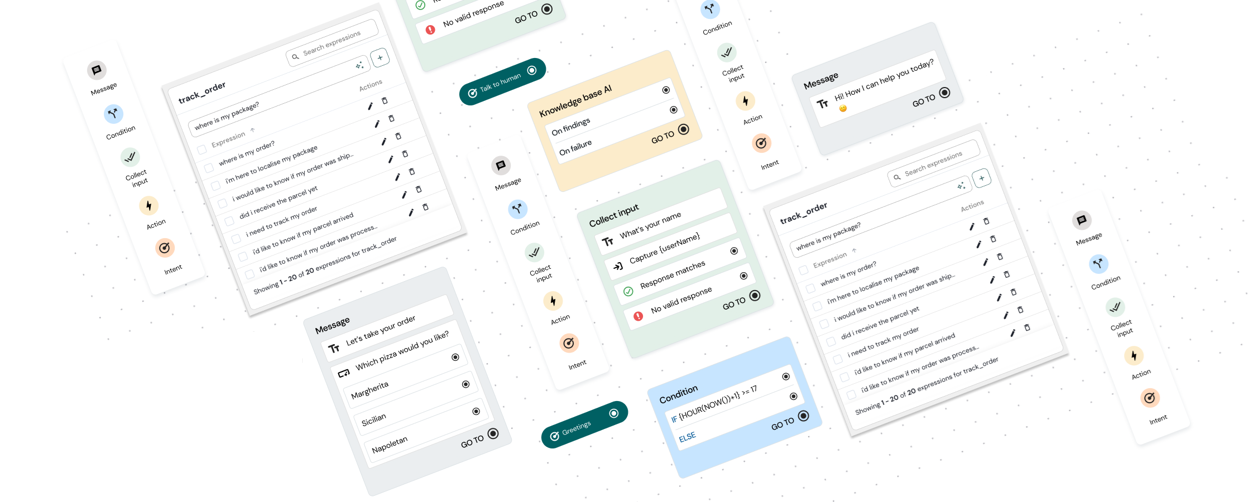
One of the first aspects to evaluate is how easy the platform is to use for both technical and non-technical teams. Modern AI bot platforms increasingly provide low-code or no-code environments that allow business users to design and modify bot flows without heavy development work. This accessibility is important because conversational AI projects typically involve multiple stakeholders such as marketing teams, service specialists, and product managers.
Language capabilities are another critical factor. Businesses operating in multiple regions must ensure that their chatbot understands user intent across different languages and variations of expression. A useful metric here is the error rate – the percentage of messages the bot fails to understand. High-quality platforms typically recognize around 95% of user messages and can improve further with optimization and training.
Technology alone does not create great conversations. Conversational design – the discipline of structuring dialogues so they feel natural and intuitive – plays a key role in chatbot success. Organizations need to understand user expectations, emotional context, and communication patterns to create interactions that feel helpful rather than robotic.
An isolated chatbot has limited value. The real power of conversational AI comes from its ability to connect with enterprise systems and data sources such as CRM platforms, knowledge bases, contact centers, or industry-specific applications. These integrations allow the bot to personalize interactions, access customer history, and automate business processes.
Customers communicate through many channels – websites, messaging apps, voice assistants, and phone lines. A modern AI bot platform should therefore support omnichannel conversations across multiple interfaces. This ensures consistent customer experiences regardless of where customers choose to interact.
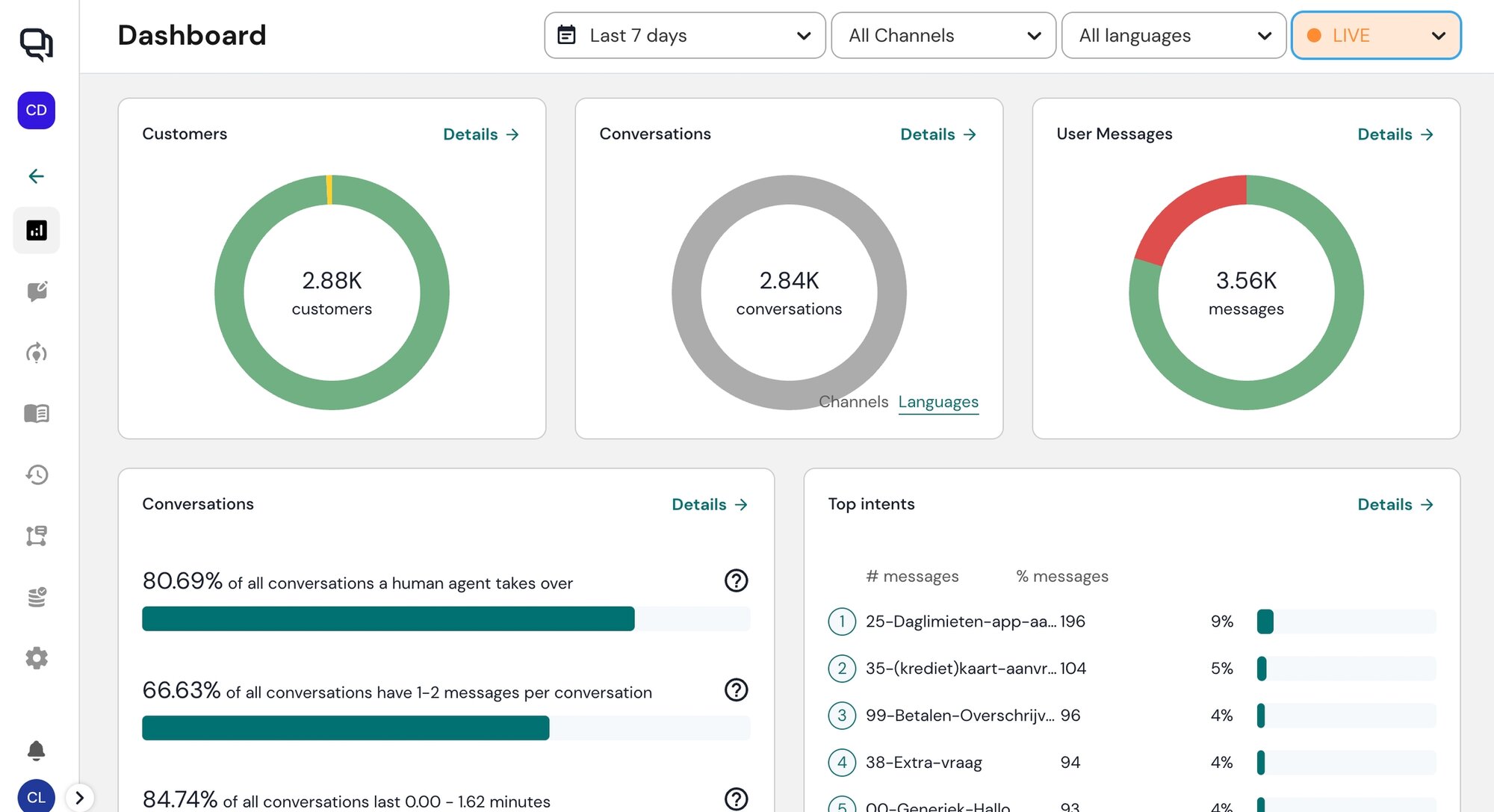
Launching a chatbot is only the beginning. Successful conversational AI projects require continuous monitoring and improvement. Analytics tools help organizations understand how customers interact with the bot, where conversations break down, and which topics appear most often, enabling ongoing optimization.
Organizations must also ensure that their AI platform meets security and compliance requirements. Companies should verify where data is stored, how it is processed, and whether the provider meets recognized security standards. Strong governance and security capabilities help protect both customer data and business operations.
Building a successful conversational AI strategy
Conversational AI can transform how businesses interact with customers and automate repetitive processes. Organizations that carefully evaluate AI platforms – focusing on usability, language capabilities, integrations, analytics, and security – will be better positioned to deliver chatbots that create real business value.
Source: 7 things to consider when choosing an AI bot platform, Sinch
Interested in the article and want to know more? |