AudioCodes
con4PAS has become the AudioCodes Channel Partner with the certification:
Registered VAR / Systems Integrator


con4PAS has become the AudioCodes Channel Partner with the certification:
Registered VAR / Systems Integrator

For selling organizations, digital business networks are no longer just a useful add-on. They are becoming a practical way to accelerate revenue, reduce manual work, and improve collaboration with buyers. According to IDC’s 2025 Business Value White Paper, companies using SAP Business Network achieved measurable gains in efficiency, customer satisfaction, and financial performance. The findings show that sellers can use one connected platform not only to simplify transactions but also to strengthen buyer relationships and improve speed across the entire order-to-cash cycle.
A stronger commercial model built on one connected network
The IDC study makes it clear that the core value of SAP Business Network lies in replacing fragmented tools with a single, more transparent environment for B2B collaboration. Interviewed organizations described how the platform helped them centralize processes, reduce errors, and gain better access to payment, invoice, and customer data. Instead of working across multiple disconnected buyer portals, sellers were able to manage more of their commercial interactions in one place. That shift matters because it reduces administrative friction and gives teams faster access to the information they need to serve customers well. For many respondents, the network was not just about document exchange - it became a more structured way to run customer-facing operations on a scale.
The headline numbers show a clear business case
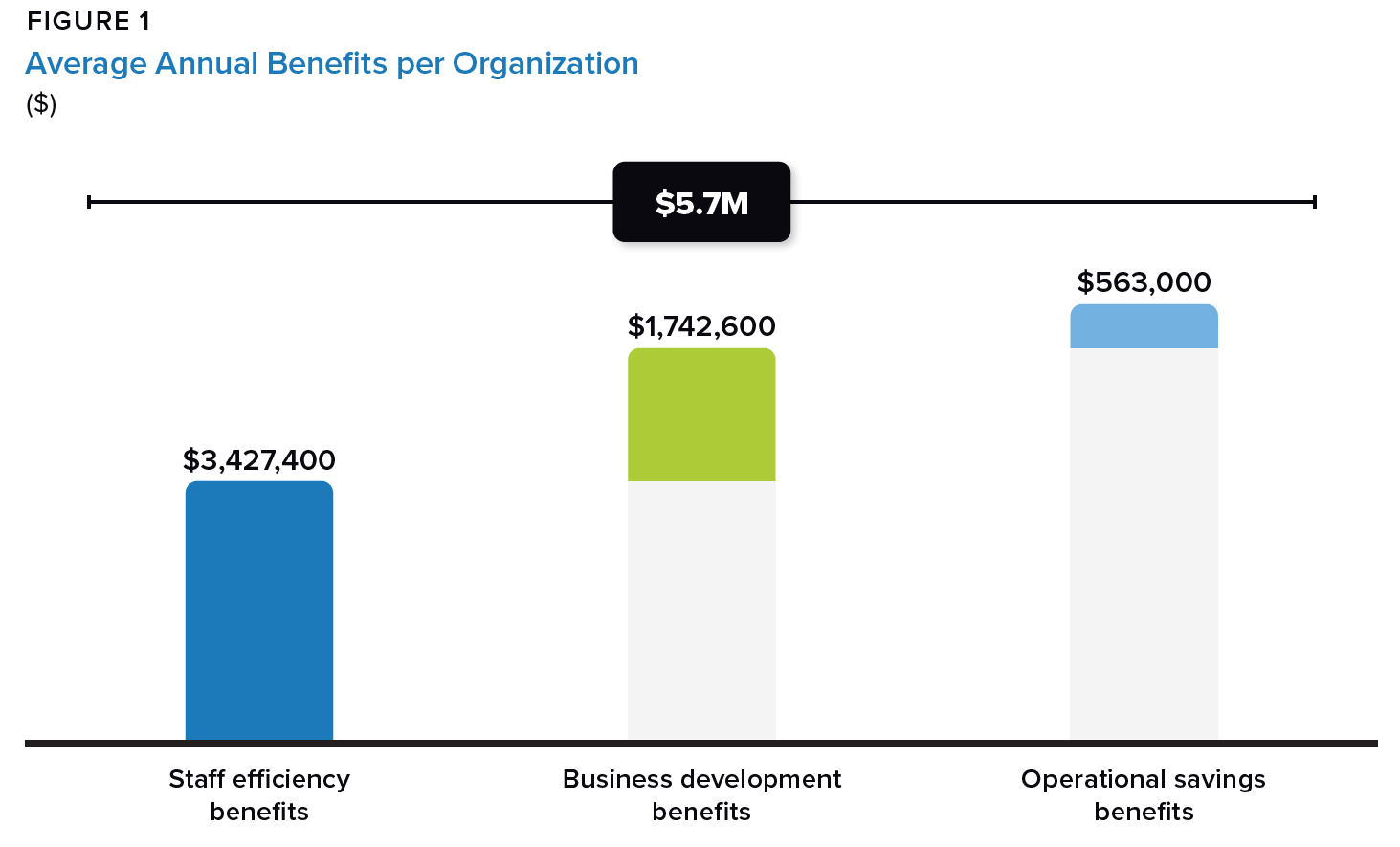
The business case in the IDC paper is unusually concrete. Among the ten organizations interviewed, SAP Business Network delivered a calculated three-year ROI of 416%, with an eight-month payback period. IDC also reports an average annual benefit of $5.7 million per organization, combining staff efficiency, business development, and operational savings. On top of that, the study identifies a net annual revenue gain of $2 million per organization, supported by faster processes and better customer alignment. These are not soft benefits. They point to a platform that directly improves the economics of selling, invoicing, and servicing buyers. For companies looking to justify investment in digital B2B collaboration, those figures provide a strong and credible benchmark.
Efficiency gains are strongest in sales administration and document handling
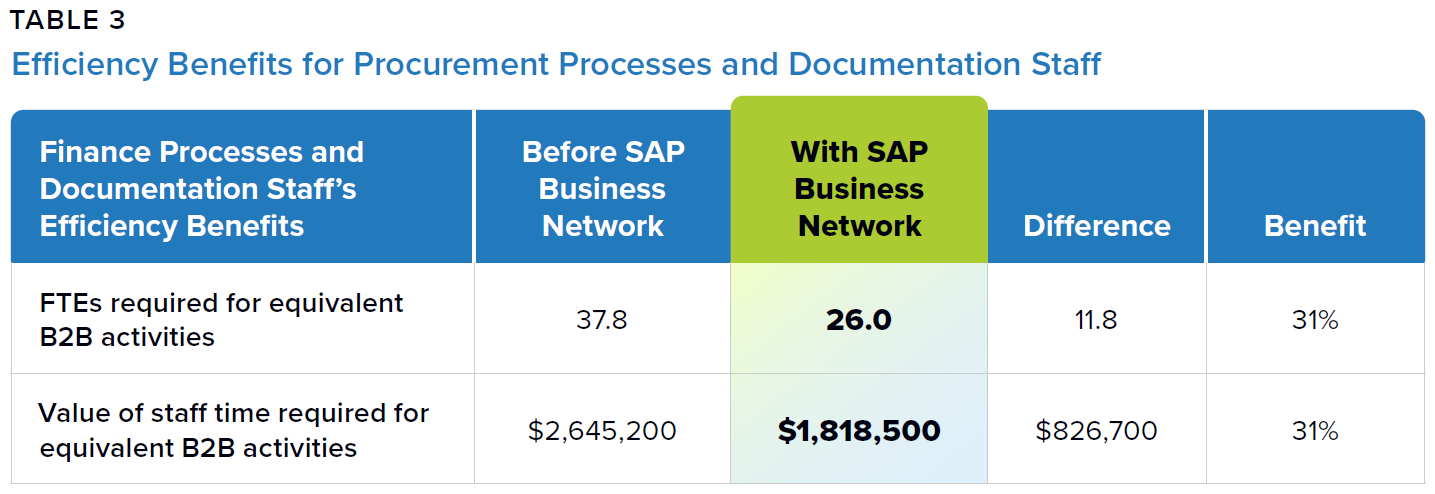
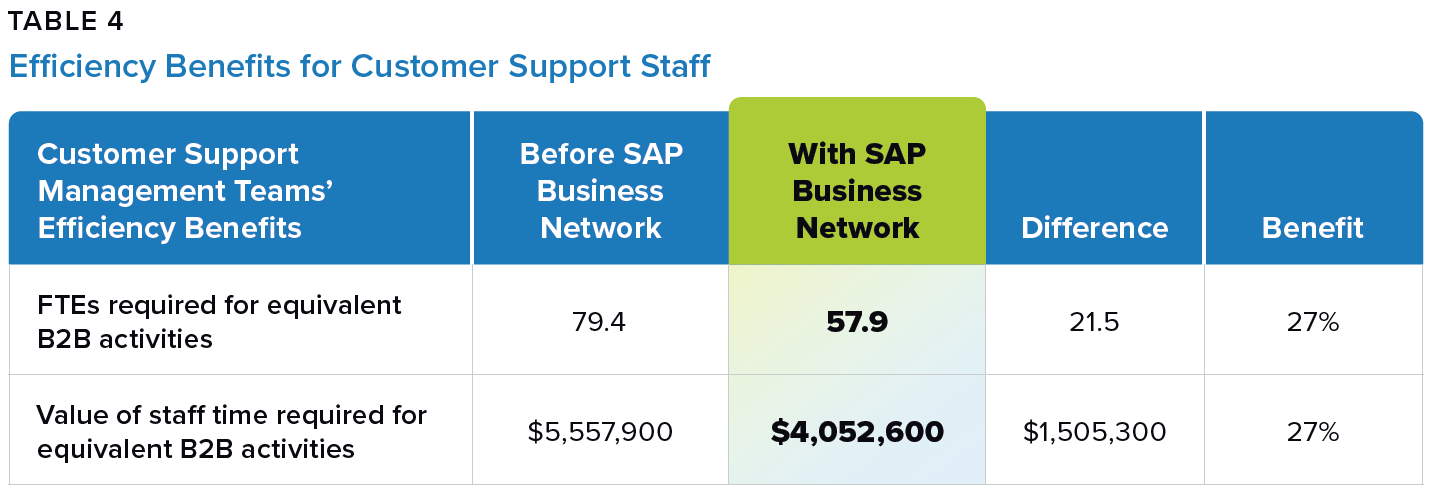
One of the most valuable outcomes for sellers is the reduction of manual work in everyday B2B administration. IDC found that order administration and purchase-order processing teams became 55% more efficient after adopting SAP Business Network. The platform also enabled finance and documentation staff to work 31% more efficiently, while customer support teams improved efficiency by 27%. Those gains came from automation, better structured data, and near-real-time visibility into order and document status. In practice, that means teams spend less time rekeying information, chasing updates, or correcting errors - and more time on higher-value customer and commercial work. For sellers handling large document volumes, that shift can materially improve both cost structure and service quality.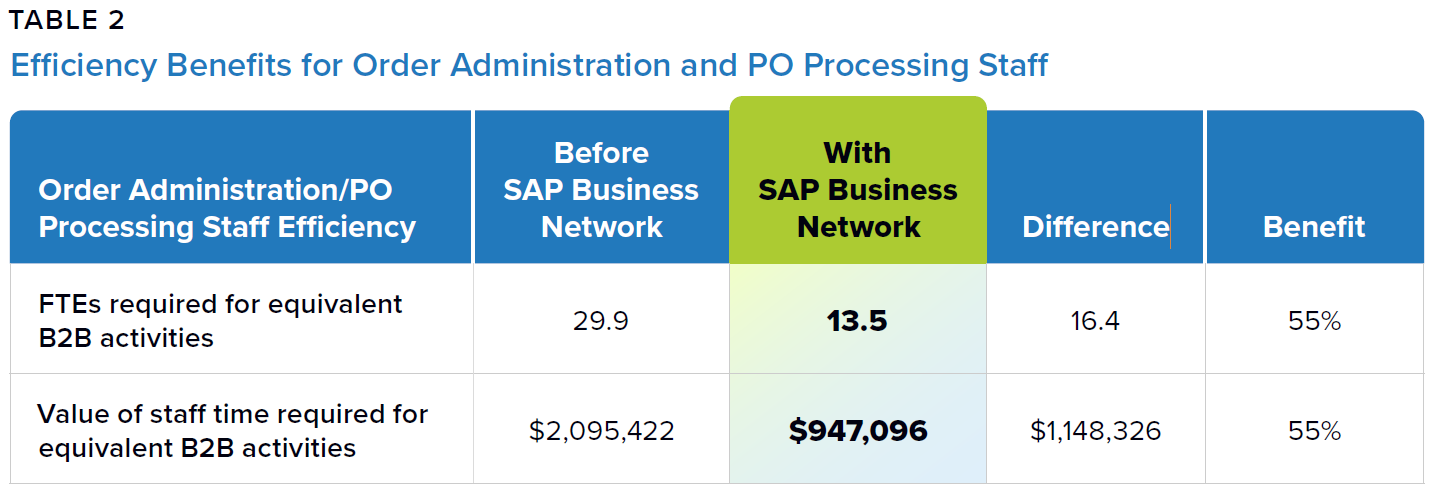
Faster invoices, shipping notices, and on-time document delivery
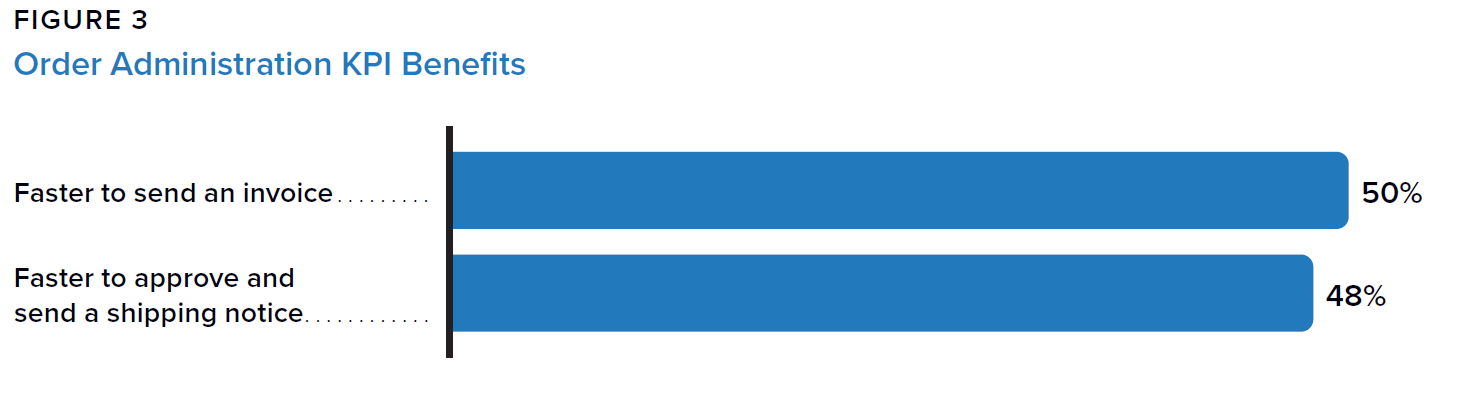
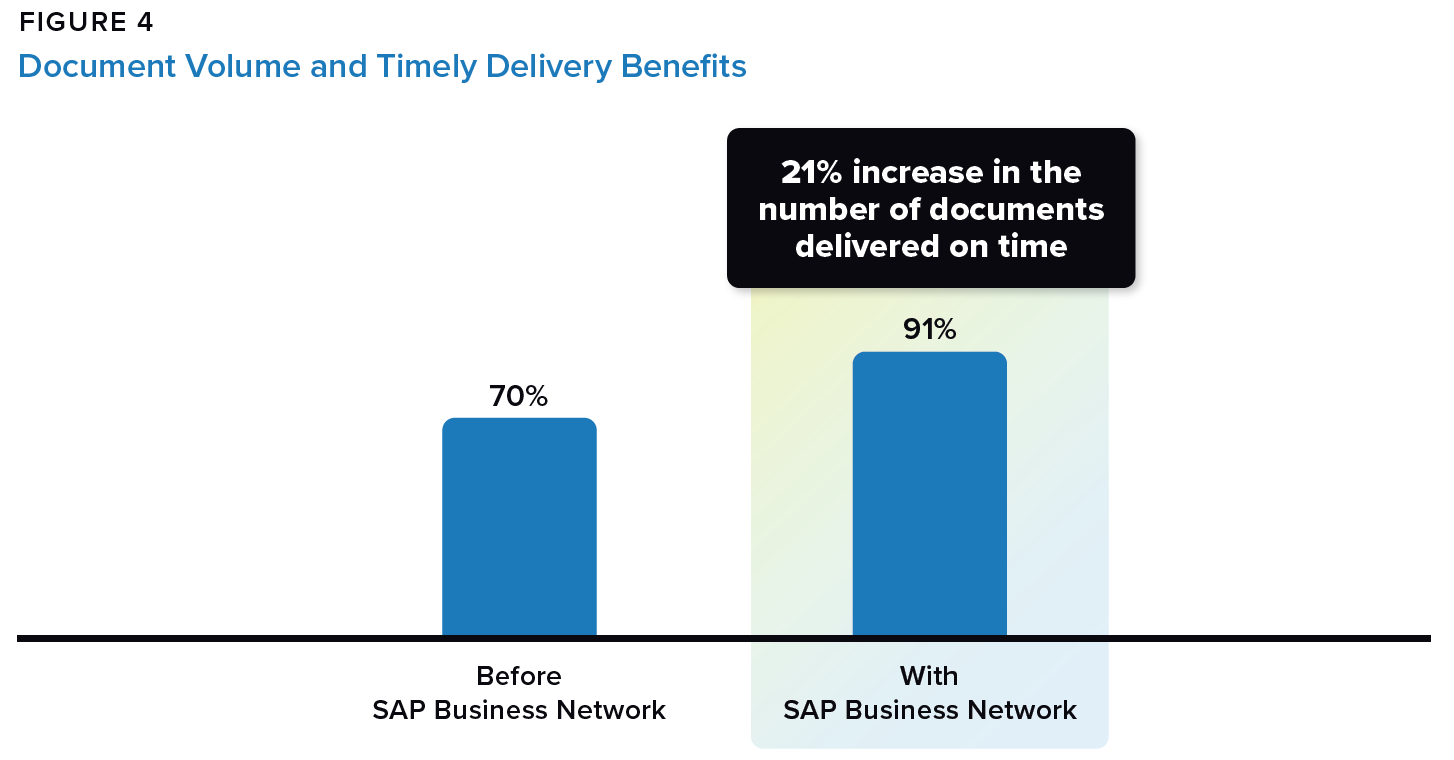
The study also highlights a practical benefit that sellers feel immediately: speed. With SAP Business Network, organizations were able to send invoices 50% faster and approve and send shipping notices 48% faster. IDC also reports that the share of documents delivered on time increased from 70% to 91%, which represents a 21% improvement. These improvements are more important than they may first appear. Faster document exchange supports quicker payments, smoother fulfillment, and fewer disputes with customers. For sellers, that means stronger discipline and more reliable customer experience across the commercial process.
Better visibility also improves forecasting and operational costs
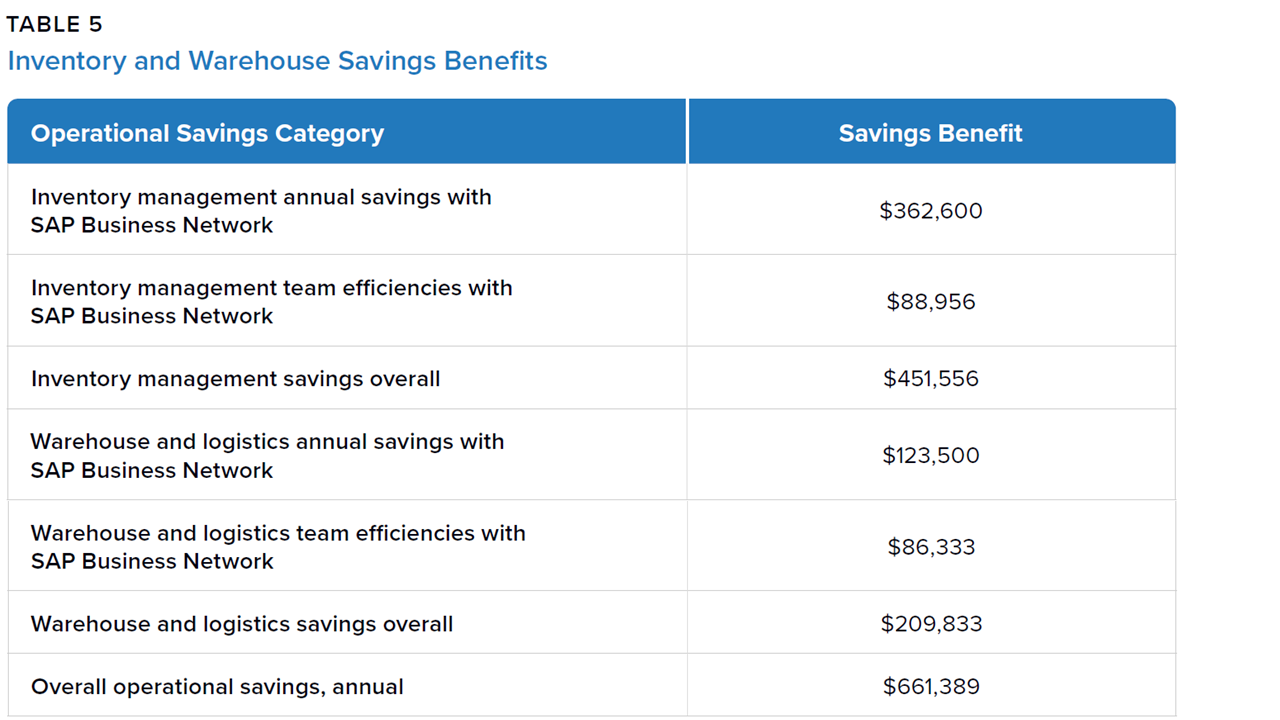
The value of the network extends beyond administration. IDC found that improved visibility and better use of structured data increased demand forecasting accuracy by 19%. That improvement helped organizations reduce stockouts, avoid overproduction, and make better inventory decisions. As a result, the interviewed companies achieved average annual operational savings of $661,389, including $451,556 in inventory-related savings and $209,833 in warehouse and logistics savings. This is where the platform begins to demonstrate broader supply chain value: it helps sellers not only process transactions more efficiently but also manage their delivery operations with greater accuracy and lower costs. In volatile markets, that kind of forecasting and inventory discipline can make a meaningful difference to profitability.
Customer value improves alongside revenue growth
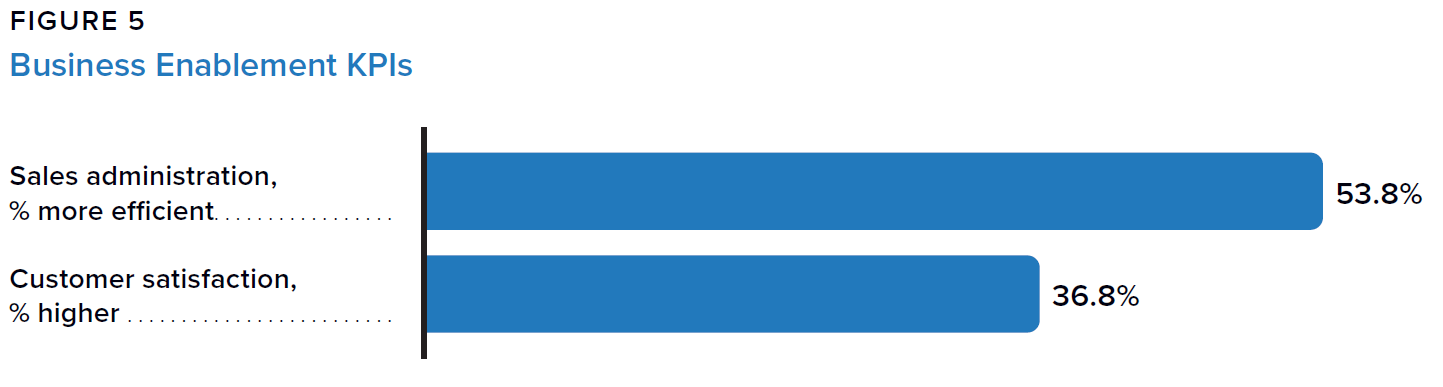
IDC also makes an important point: the platform does not improve internal efficiency at the expense of customer experience - it improves both at the same time. Organizations reported a 36.8% increase in customer satisfaction and a 53.8% improvement in sales administration efficiency. The study attributes these gains to easier ordering, improved visibility, structured catalog data, and reduced transaction errors. On the revenue side, IDC calculates a total annual revenue gain of $13.6 million per organization and a net annual revenue gain of $2 million, supported by stronger customer relationships, better segmentation, and new commercial opportunities. The network also helped accelerate go-to-market speed by 20%, which means sellers could move from development to market launch faster. Together, these figures show that SAP Business Network supports growth in a very practical way: by making it easier for customers to buy, and easier for sellers to respond.
A practical platform for sellers who need scale, speed, and control
What stands out in the IDC study is that SAP Business Network supports several business priorities at once. It helps sellers simplify buyer-facing transactions, reduce manual effort, improve visibility, and accelerate revenue-related workflows. At the same time, it strengthens the commercial side of supply chain execution by making data easier to use and processes easier to standardize. For organizations selling into complex B2B environments, that combination is valuable because it connects operational discipline with customer-facing performance. The takeaway is straightforward: SAP Business Network is not just an efficiency tool for back-office teams. Used well, it becomes a growth enabler for selling organizations that want faster execution, stronger buyer relationships, and better control over the full commercial cycle.
Source: The Business Value of SAP Business Network — for Selling Organizations, IDC Business Value White Paper, April 2025.
Download the full report below.
Interested in the article and want to know more? |