AudioCodes
con4PAS has become the AudioCodes Channel Partner with the certification:
Registered VAR / Systems Integrator


con4PAS has become the AudioCodes Channel Partner with the certification:
Registered VAR / Systems Integrator

In today’s volatile environment, companies face unprecedented pressure to deliver exceptional customer experiences that build loyalty and drive growth. Yet as expectations rise, so does the complexity of meeting them. This article explores key insights from a recent SAP and IDC study, revealing the technology gaps, strategic shifts, and practical next steps businesses must take to succeed in the future of customer experience (CX).
Rethinking Customer Experience in an Era of Disruption
In today’s rapidly evolving market, customer experience (CX) has emerged as a critical differentiator for businesses across all industries. Customers now expect interactions that are not only fast and efficient, but also context-aware, consistent, and personalized—across every channel. This shift is not just a technological challenge; it requires organizations to rethink their processes, data strategies, and partner ecosystems.
A recent IDC InfoBrief sponsored by SAP sheds light on the strategic steps companies must take to adapt their CX strategy to the expectations of tomorrow’s customer—before it’s too late.
Why Great CX Is Harder Than Ever
While most businesses agree that CX is vital for growth, delivering on that promise is becoming increasingly difficult. The root of the problem lies in organizational complexity, including fragmented systems, siloed data, and inconsistent workflows. Many companies are stuck reacting to customer needs rather than anticipating them.
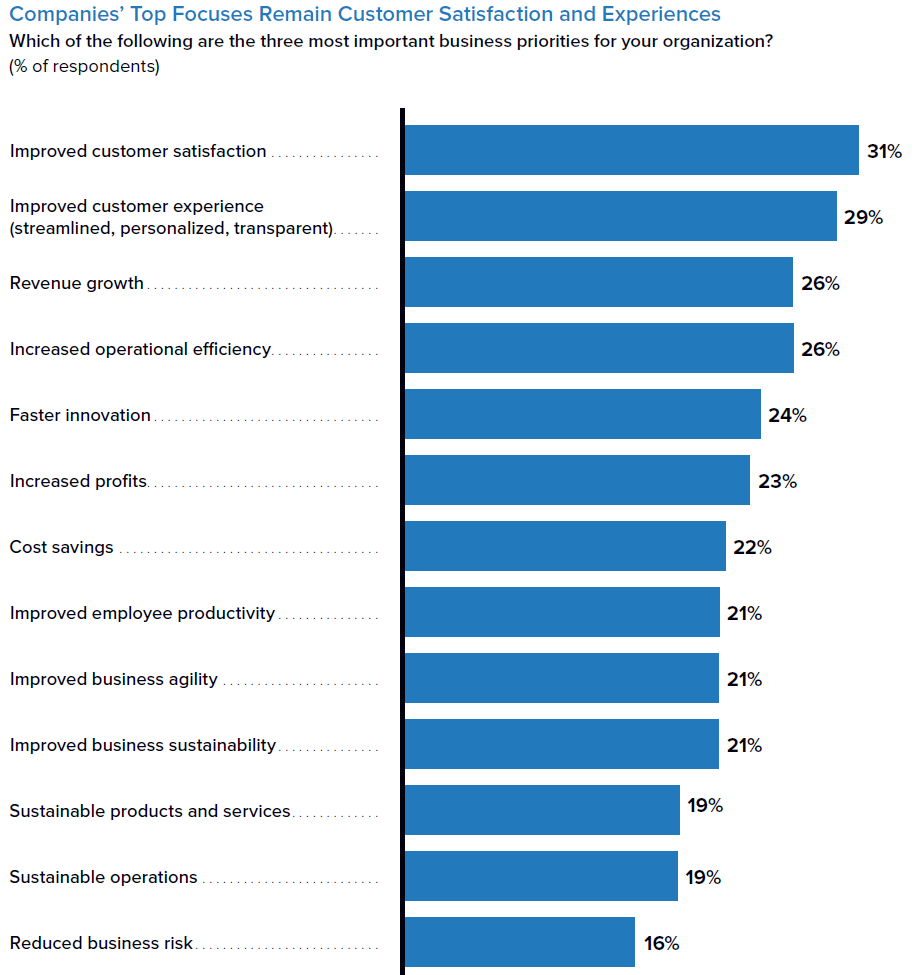
Key challenges include:
In short, customers are moving faster than the organizations serving them.
Technology Is the Catalyst — but Transformation Requires More
Technology plays a pivotal role in enabling next-gen CX, but it’s not a silver bullet. The companies that succeed don’t just invest in new tools—they rethink how their people, data, and processes work together.
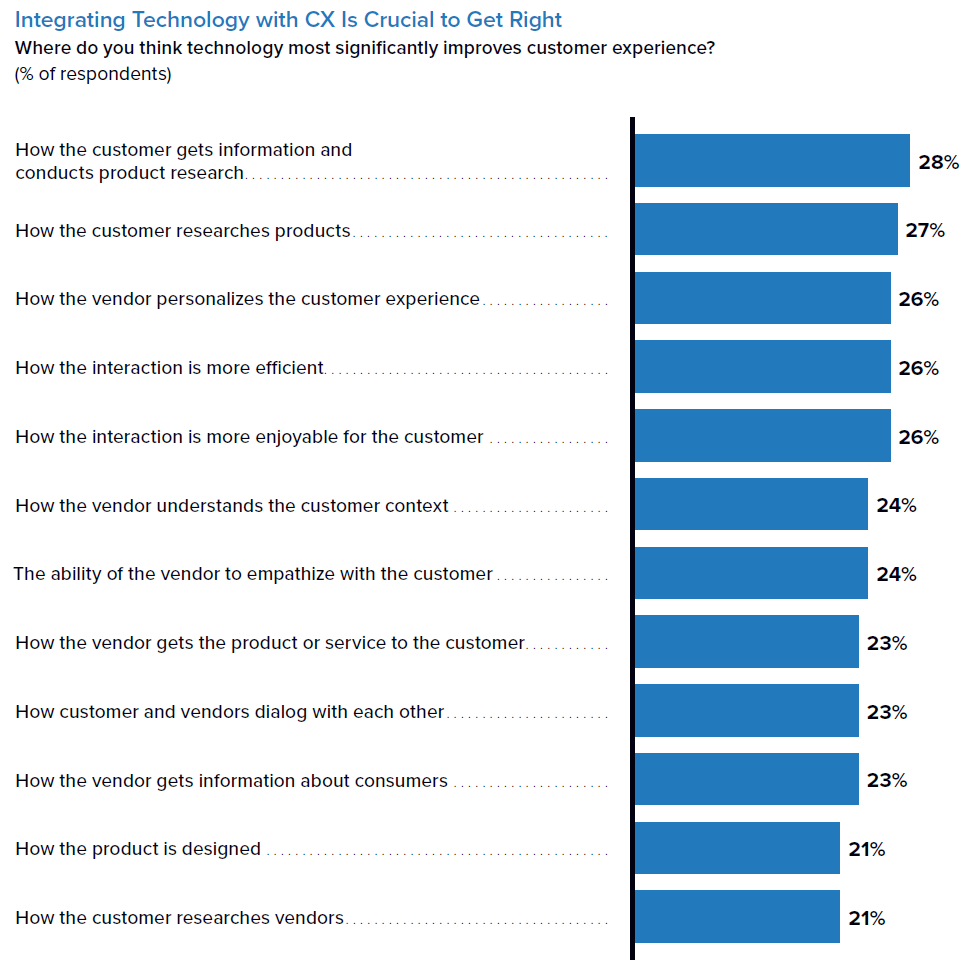
Leaders are increasingly turning to:
But these tools must be part of a larger strategy. True CX transformation comes from aligning technology with clear business outcomes, empowering employees to act on insights, and continuously optimizing customer journeys.
The Hidden Technology Challenges Holding Organizations Back
Even companies with the right vision often find themselves held back by invisible friction points. Underlying infrastructure is frequently rigid, fragmented, and not built to support modern CX demands. Data may exist—but it’s hard to find, trust, or activate.
Common obstacles include:
Without addressing these foundational issues, even the best CX strategies can fail to deliver their full value.
The Power of the Right Technology Partners
Selecting the right partner is often what separates digital leaders from laggards. IDC’s research reveals that organizations who work with strategic technology partners are better positioned to manage change, scale innovation, and maintain resilience in the face of disruption.
What defines a strong CX technology partner?
SAP is cited as a leading example of a partner that combines robust technology with domain expertise and the ability to adapt to each customer’s digital maturity.
Next Actions: How to Prepare for the CX of Tomorrow
To future-proof the customer experience, organizations must go beyond individual initiatives and think holistically. IDC recommends taking the following next steps:
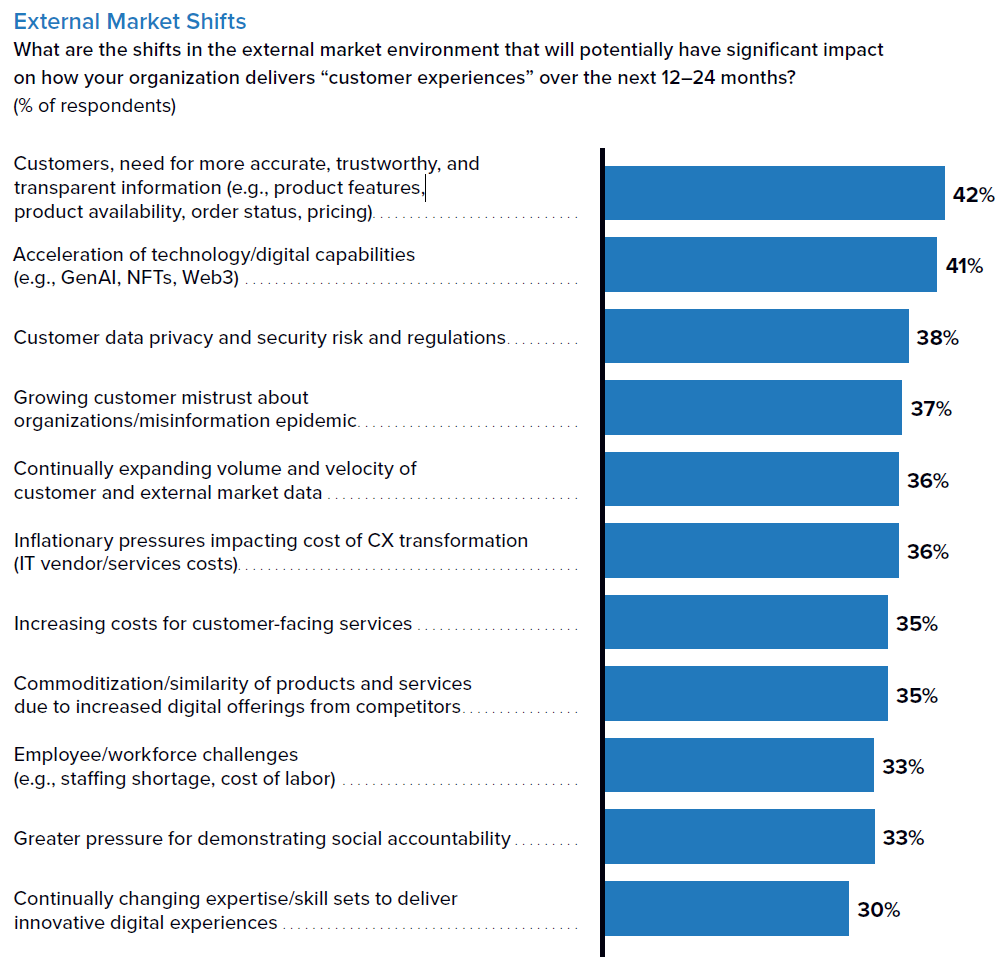
The most successful organizations will be those that treat CX not as a cost center—but as a core strategic asset driving loyalty, revenue, and long-term brand trust.
Conclusion
The bar for customer experience has never been higher—and it’s rising still. In this environment, merely keeping up is no longer enough. Organizations must reimagine how they engage, serve, and retain customers. By investing in the right technology, aligning around shared goals, and choosing partners that enable transformation, businesses can turn CX from a challenge into a competitive advantage.
Download the full report here.
Interested in the article and want to know more? |