AudioCodes
con4PAS has become the AudioCodes Channel Partner with the certification:
Registered VAR / Systems Integrator


con4PAS has become the AudioCodes Channel Partner with the certification:
Registered VAR / Systems Integrator

In a world where supply chains are as fragile as the global economy itself, a new kind of connection is reshaping how companies work together – the digital business network. It’s no longer just about faster document exchange or simplified invoicing. It’s about connecting companies, partners, and suppliers into one living ecosystem that grows, reacts, and creates value in real time.
One of the largest and most mature platforms of this kind is SAP Business Network, linking organizations across industries and continents. A recent IDC study paints a clear picture: companies that joined the network not only made their processes more efficient, but also fundamentally changed how their business operates.
From Digitalization to True Partnership
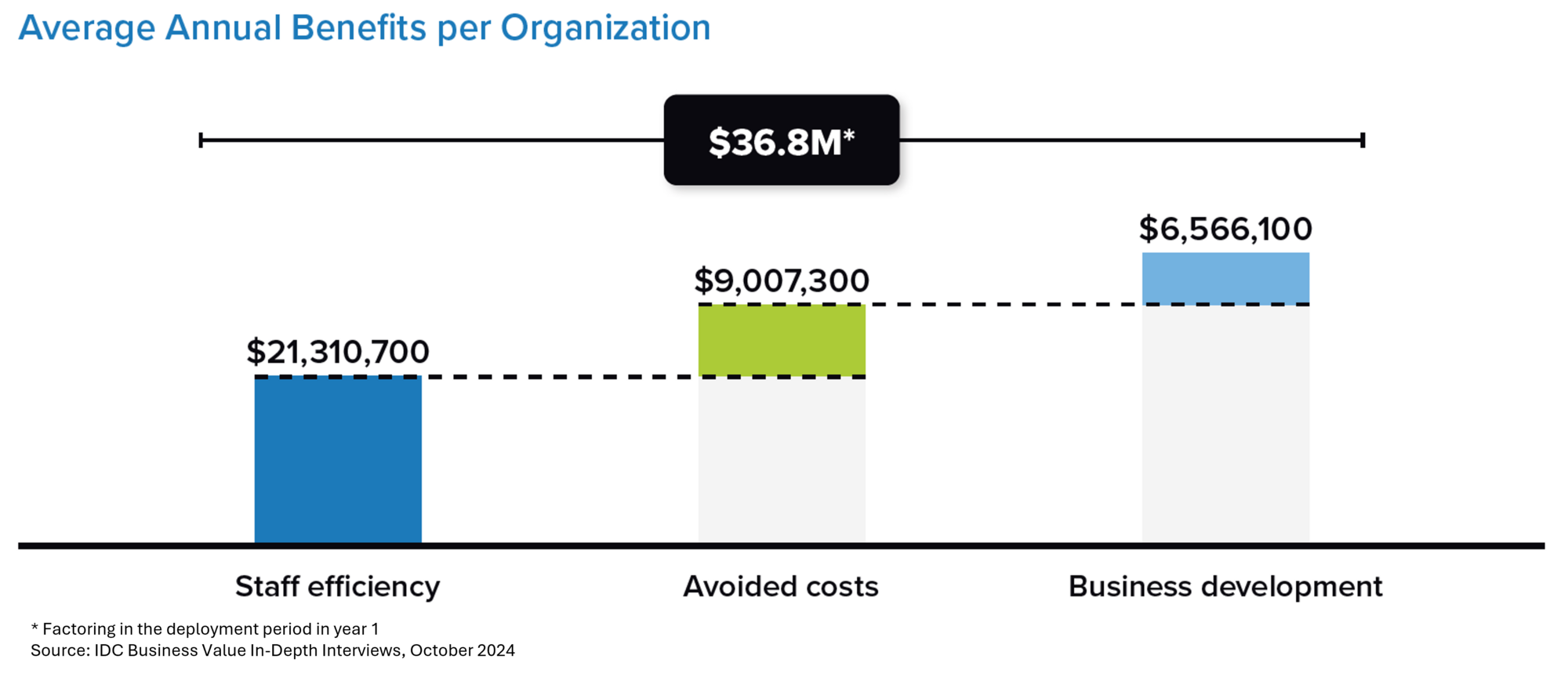
Many organizations interviewed by IDC joined SAP Business Network with a clear goal: to unify fragmented processes and strengthen collaboration with their partners.
Previously, they relied on in-house or regional tools that worked but lacked consistency, scalability, and real-time visibility.
After adopting the unified platform, the transformation was striking:
Automation, integrated data, and a shared collaboration space have not only brought higher efficiency but also built stronger partnerships. With greater transparency comes trust — and with trust, the ability to plan growth together.
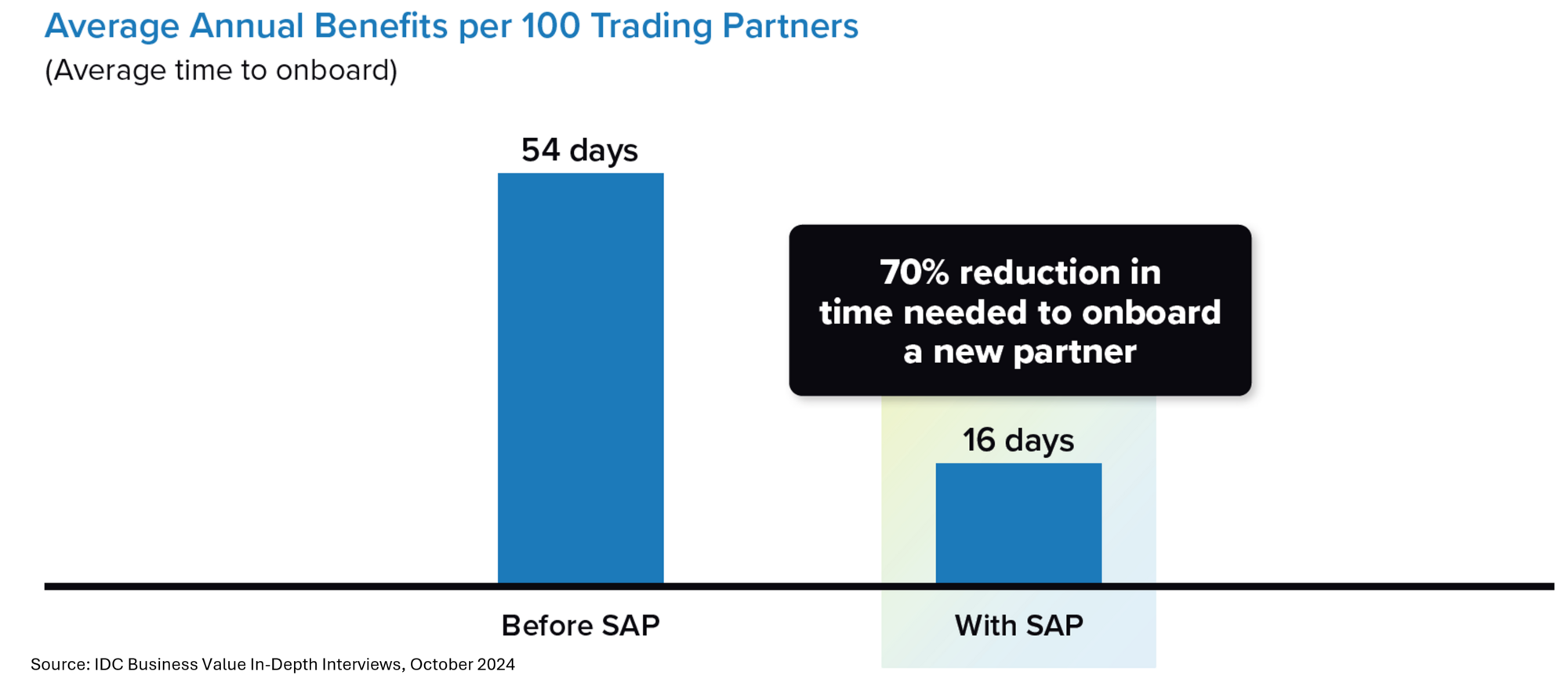
Seeing the Entire Chain
One of the most frequently cited benefits was end-to-end supply chain visibility.
Where once information got lost in spreadsheets and emails, companies today have a real-time overview of production, shipping, and inventory levels.
“As a result of connecting all partners on a single platform, we were able to reduce our safety stock by up to 50%,” said one pharmaceutical respondent.
Another company in retail described how predictive analytics helps them redirect stock to regions with the highest demand, cutting costs and waste.
These gains translate directly into stronger resilience. With real-time data and predictive insights, companies can now react faster to market shifts, plan more accurately, and reduce both risk and excess inventory.
Efficiency that Brings Significant Savings
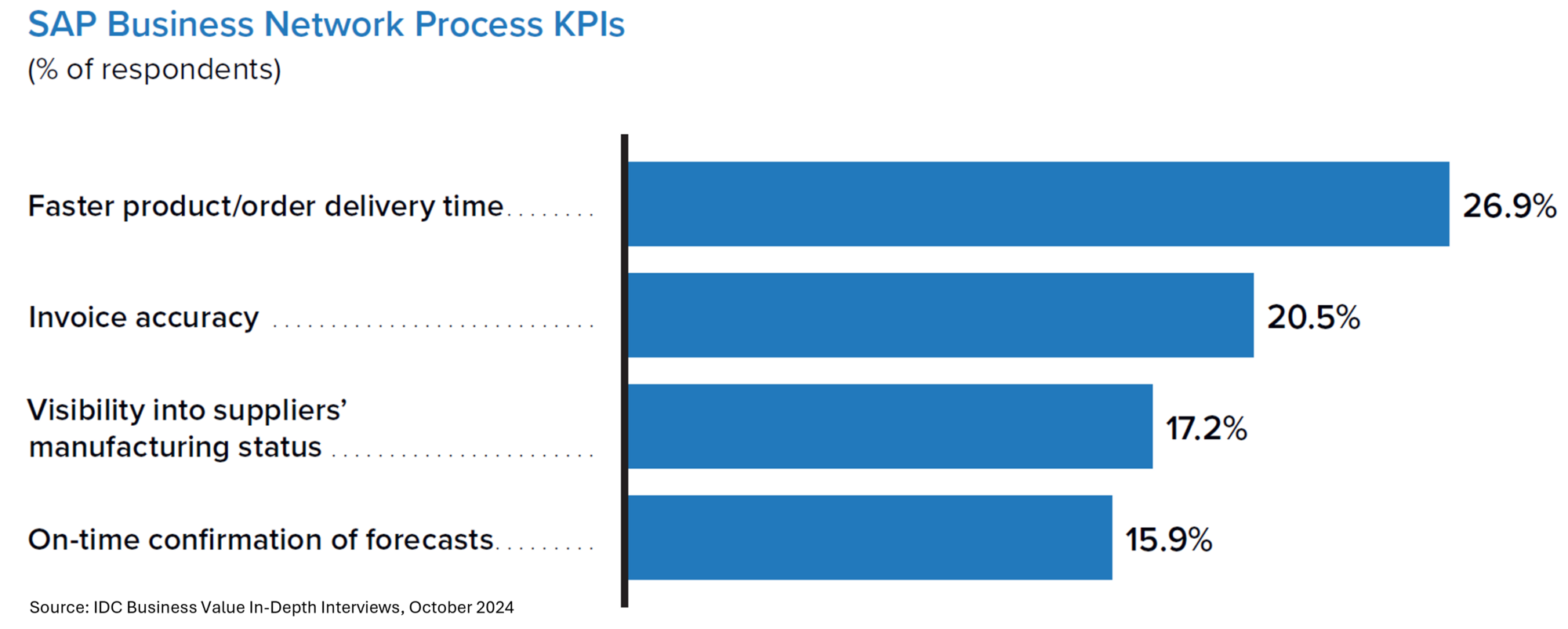
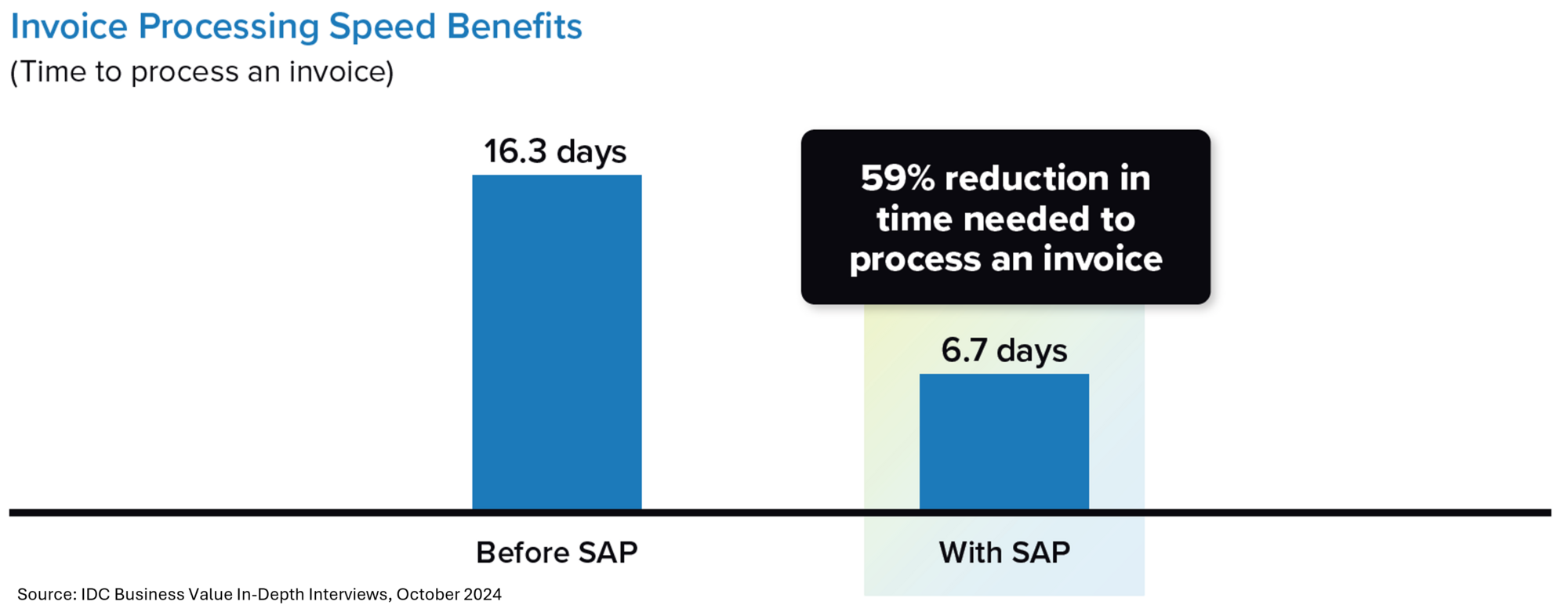
IDC quantified the results across eight large enterprises worldwide — and the numbers speak for themselves:
Savings went far beyond administration and IT. Companies reported a 5–15% reduction in logistics, warehousing, and maintenance costs, better energy management, and smarter workforce allocation.
In essence, SAP Business Network creates a continuous cycle of efficiency — from more accurate demand planning to lower carbon footprints.
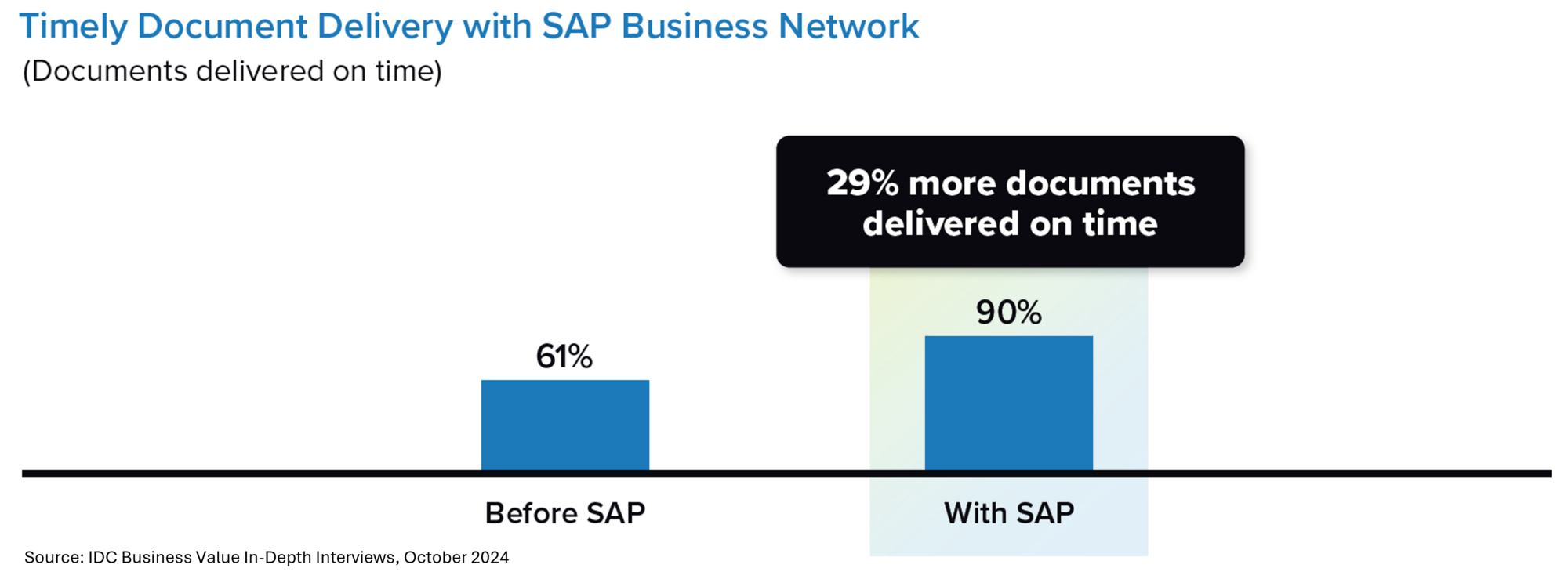
People, Data, and Trust
Paradoxically, the biggest change wasn’t about technology itself, but about how people collaborate through it.
For procurement teams, automation means less routine and more focus on strategic work — analyzing data, negotiating value, and building supplier relationships.
Through integration with SAP Ariba and shared access to real-time information, organizations can now better evaluate supplier performance, assess risks, and identify innovative partners.
The result is a culture of trust, insight, and collaboration that spans the entire supply chain.
At the leadership level, this marks a shift from reactive management to proactive, data-driven decision-making — emphasizing speed, transparency, and accountability.
The Future Is in the Network
SAP Business Network proves that the real value of digital transformation lies in connecting people, processes, and data.
Organizations that embrace this network don’t just gain a more efficient procurement process. They gain a living, collaborative ecosystem that helps them grow, innovate, and adapt to a world that’s changing every single day.
Source: The Business Value of SAP Business Network — for Buyer Organizations, IDC White Paper, březen 2025
Interested in the article and want to know more? |