AudioCodes
con4PAS has become the AudioCodes Channel Partner with the certification:
Registered VAR / Systems Integrator

con4PAS has become the AudioCodes Channel Partner with the certification:
Registered VAR / Systems Integrator

Voice bots and chatbots address similar business needs, but they are not interchangeable. Text and speech are different communication channels, and customers behave differently in each of them. A bot designed without that distinction can make a simple interaction feel slow and awkward. A channel-specific design can improve service, reduce routine work, and help customers reach the right outcome more naturally.
The same goal requires a different interaction
Both chatbots and voice bots can answer questions, guide customers through a process, and remain available around the clock. The difference is how the conversation works. A chatbot communicates through written text on a website, in an application, or through a messaging service. A voice bot handles spoken language, usually over the phone, by converting speech into text, processing the request, and returning a spoken response. This technical distinction directly affects the customer experience. A conversation that works well in writing may become difficult to follow when transferred to voice without redesign.
Speech and text follow different rules
People can scan written information, reread a message, and move through it at their own pace. Listening is more demanding. Voice interactions therefore need shorter sentences, simpler language, clear pacing, and enough pauses for the customer to process the information. Important details may also need to be repeated. Taking a text conversation and reproducing it word for word in a voice channel rarely works. The dialogue has to be designed for how people listen and respond.
Voice conversations need clearer guidance
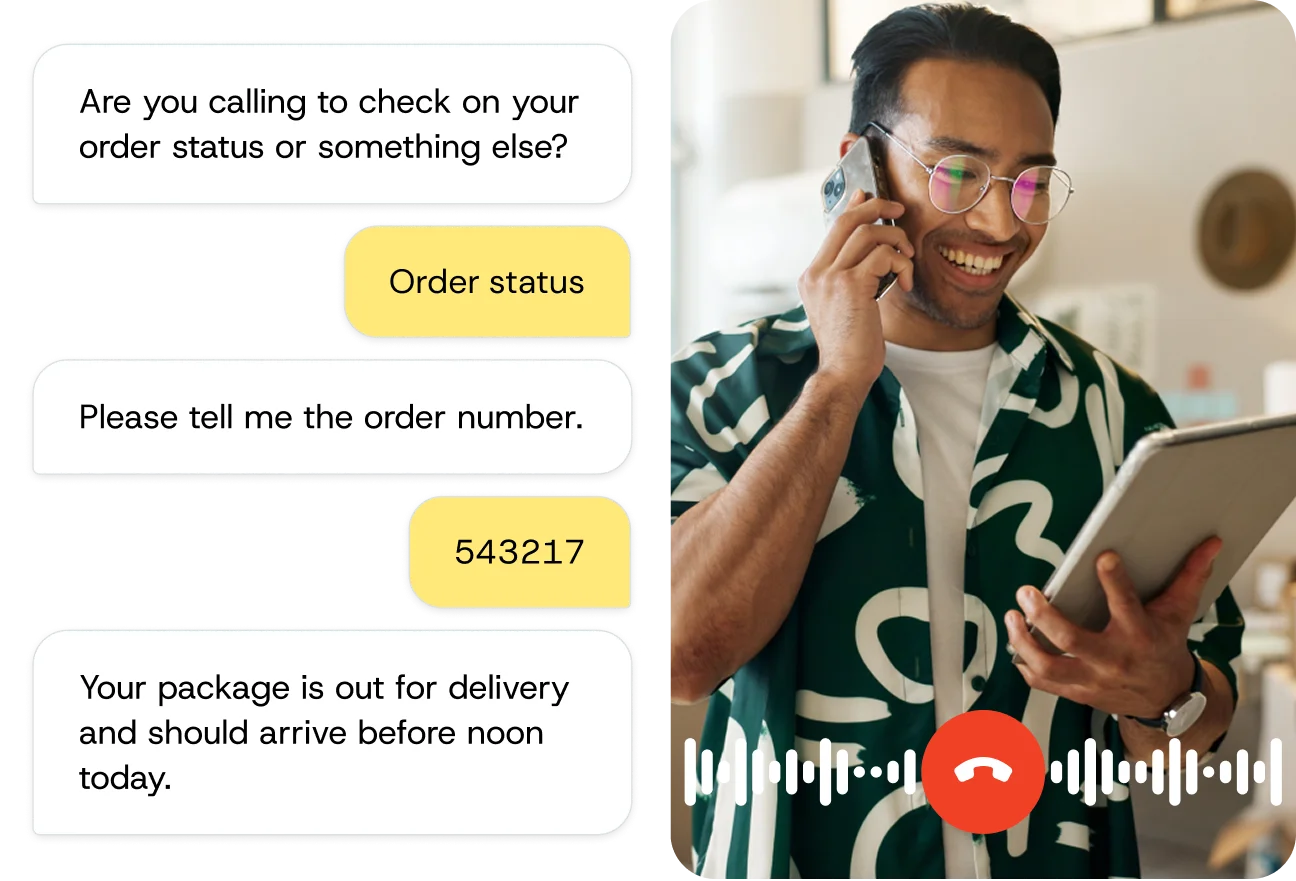
Customers are often more direct when they type than when they speak. Spoken requests can be less structured, which makes intent more difficult to recognize. Voice bots therefore need strong natural language processing and a more guided conversation. A few clear choices, such as placing an order, checking a delivery, or speaking to an agent, can help the customer reach the right path faster. Text chat can allow a more open flow because written intent is generally easier to identify.
Small signals shape the customer experience
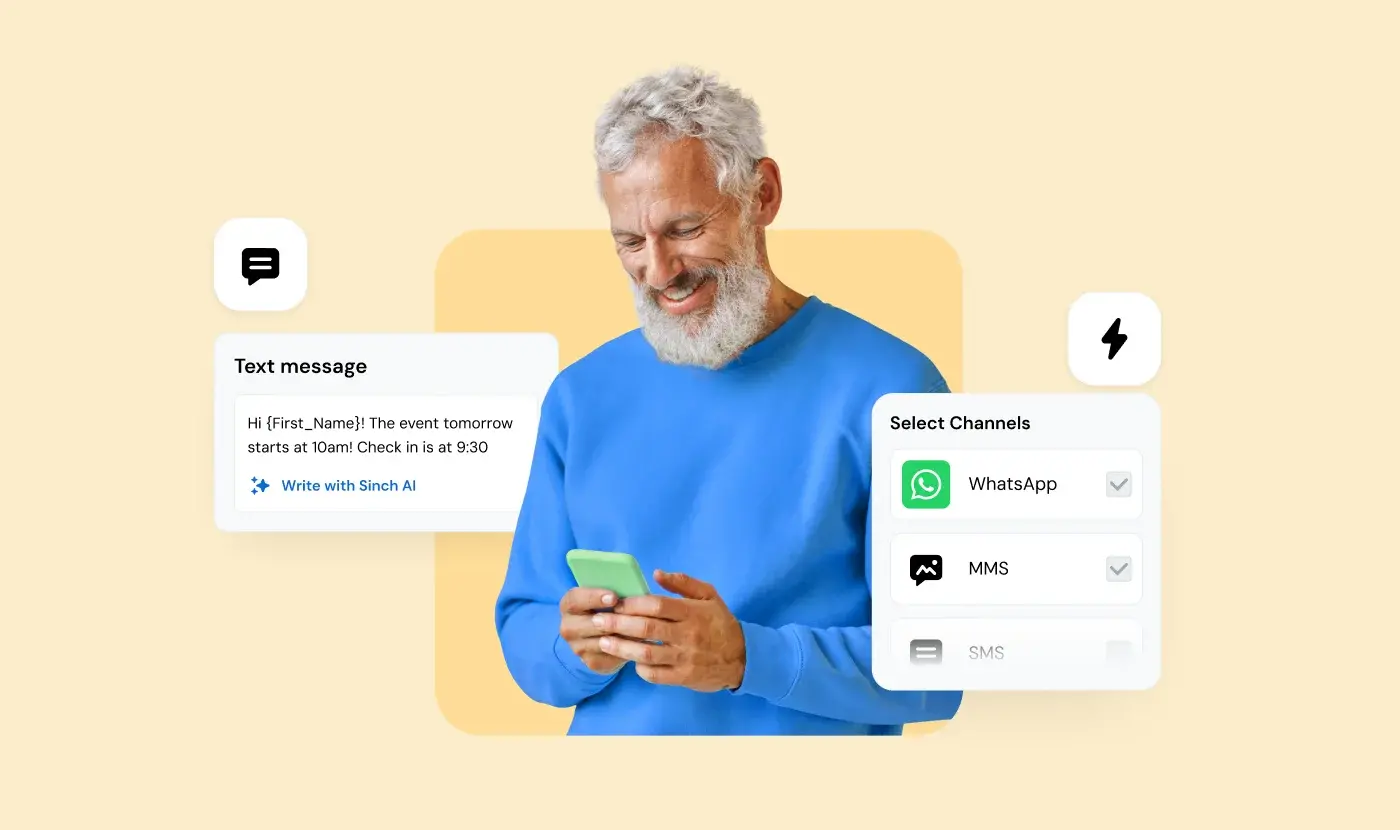
A successful bot does more than provide the correct answer. It also helps the customer understand what is happening. In text chat, typing indicators, short status messages, images, or layout can provide that context. A voice bot must use spoken messages, brief sounds, music, pacing, and intonation instead. Personality also works differently: a chatbot can rely on visual elements and emojis, while a voice bot depends on wording, rhythm, pitch, and tone. These details determine whether the interaction feels clear and natural or mechanical and uncertain.
Choose the channel around the customer task
The practical decision is not whether to use a bot, but which type of bot fits the channel, the task, and the customer. Written communication may be better when people need to scan details, review information, or handle many inquiries quickly. Voice may be more suitable when customers are already calling, prefer spoken interaction, or benefit from a guided process. The starting point should be the way customers naturally communicate, not the solution that appears easiest to deploy.
Start with the conversation, not the technology
Bots can improve customer service and make communication easier to scale. The common mistake is to assume that one conversation design will work equally well in every channel. It will not. Voice and text place different demands on the customer and require different forms of guidance. Companies should first define the task, the channel, and the expected conversation. The technology should then support that design, not determine it.
Source: Sinch blog — “Voice bot vs. chatbot: What’s the difference, and why does it matter?”
Interested in the article and want to know more? |