AudioCodes
con4PAS has become the AudioCodes Channel Partner with the certification:
Registered VAR / Systems Integrator


con4PAS has become the AudioCodes Channel Partner with the certification:
Registered VAR / Systems Integrator

Customer experience has become the key differentiator between brands that grow and those that struggle to retain loyalty. As digital channels expand and expectations rise, organizations must find new ways to deliver fast, personalized, and consistent experiences. According to the SAP e‑book “Win customers for life with AI: The new CX battleground,” artificial intelligence is emerging as a powerful tool that enables companies to understand customers better, anticipate their needs, and deliver meaningful interactions at scale.
AI and the New Era of Customer Experience
Customer experience today is shaped by two essential expectations: customers want frictionless digital self‑service, and when they interact with employees they expect quick, knowledgeable, and personalized responses. Artificial intelligence is dramatically accelerating organizations’ ability to meet these expectations. By analyzing vast amounts of customer data, AI helps companies identify patterns, predict behaviors, and automate interactions. This enables businesses to provide personalized recommendations, respond faster to requests, and continuously improve their services based on real‑time insights. Research cited in the SAP report indicates that AI adoption is already accelerating: 41% of B2B companies and 34% of B2C companies are implementing AI‑enabled workflows across their customer‑facing operations.
Three Types of AI Transforming CX
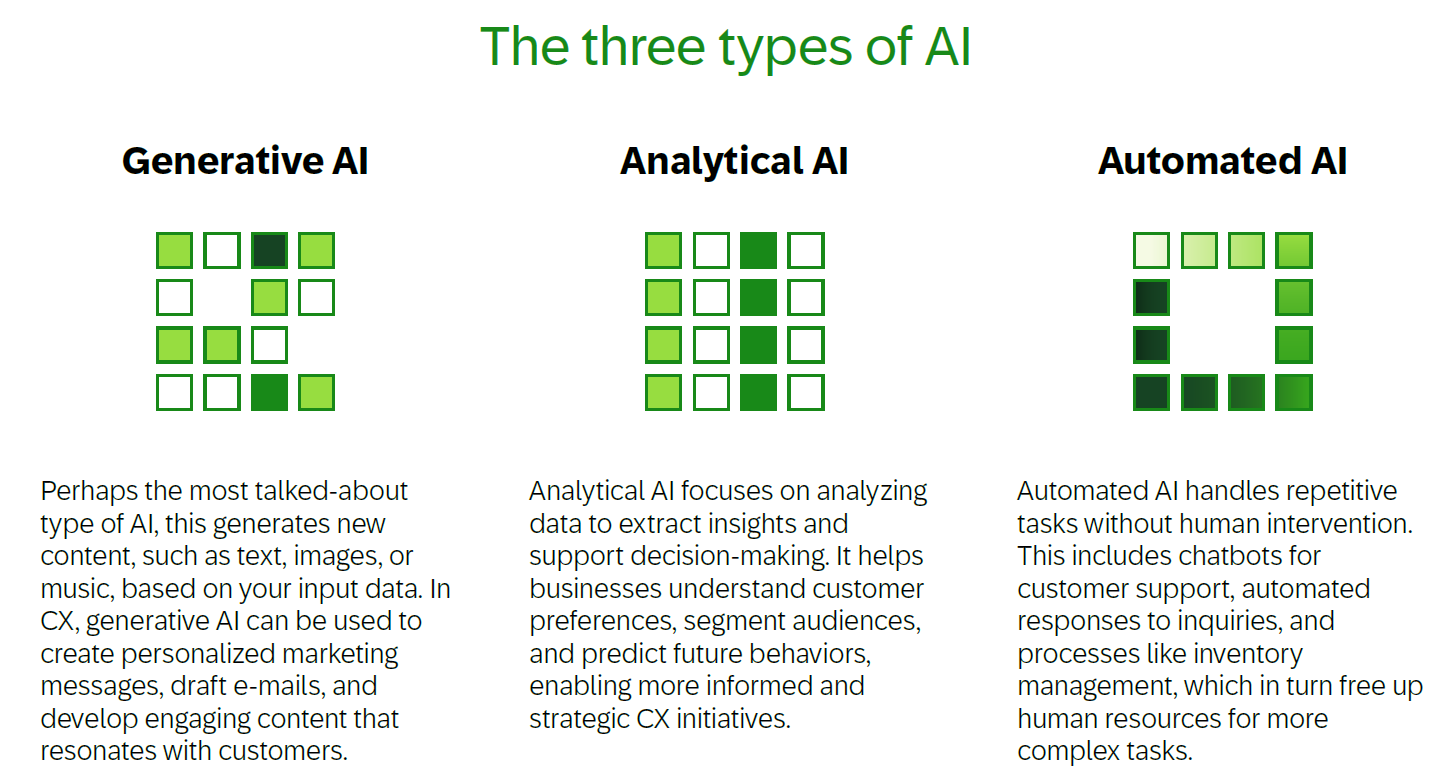
Artificial intelligence in customer experience is not a single technology but rather a combination of capabilities that support different stages of the customer journey. Generative AI is widely known for creating new content such as marketing messages, product descriptions, or personalized communications. Analytical AI focuses on identifying patterns in customer data and providing insights that help organizations make better decisions. Automated AI, meanwhile, handles repetitive operational tasks such as chatbots, automated responses, or workflow automation. When these technologies are combined, companies can create a powerful CX ecosystem that not only responds to customer needs but anticipates them before they arise.
From Data to Actionable Customer Insights
One of the most significant advantages of AI in customer experience lies in its ability to turn data into actionable insights. AI‑driven analytics can segment customers based on behavior and preferences, analyze sentiment from reviews and social media, and predict future purchasing patterns. These capabilities enable organizations to anticipate demand, tailor marketing strategies, and identify potential issues before they impact customers. Sales forecasting also benefits significantly from AI, as predictive algorithms provide real‑time insights into deal health and market demand. With these insights, organizations can allocate resources more effectively and deliver services that better align with customer expectations.
Automation That Enhances Efficiency
AI automation also plays a crucial role in improving operational efficiency across customer‑facing processes. Retailers, for example, use AI‑driven recommendation engines to personalize product suggestions based on browsing and purchase history. AI can also optimize inventory management by predicting demand and ensuring that the right products are available at the right time. Dynamic pricing systems powered by AI analyze market conditions and customer behavior to adjust prices automatically. These capabilities not only reduce operational costs but also improve customer satisfaction by ensuring accurate product information, reliable availability, and competitive pricing.
Four Practical Use Cases for AI in CX
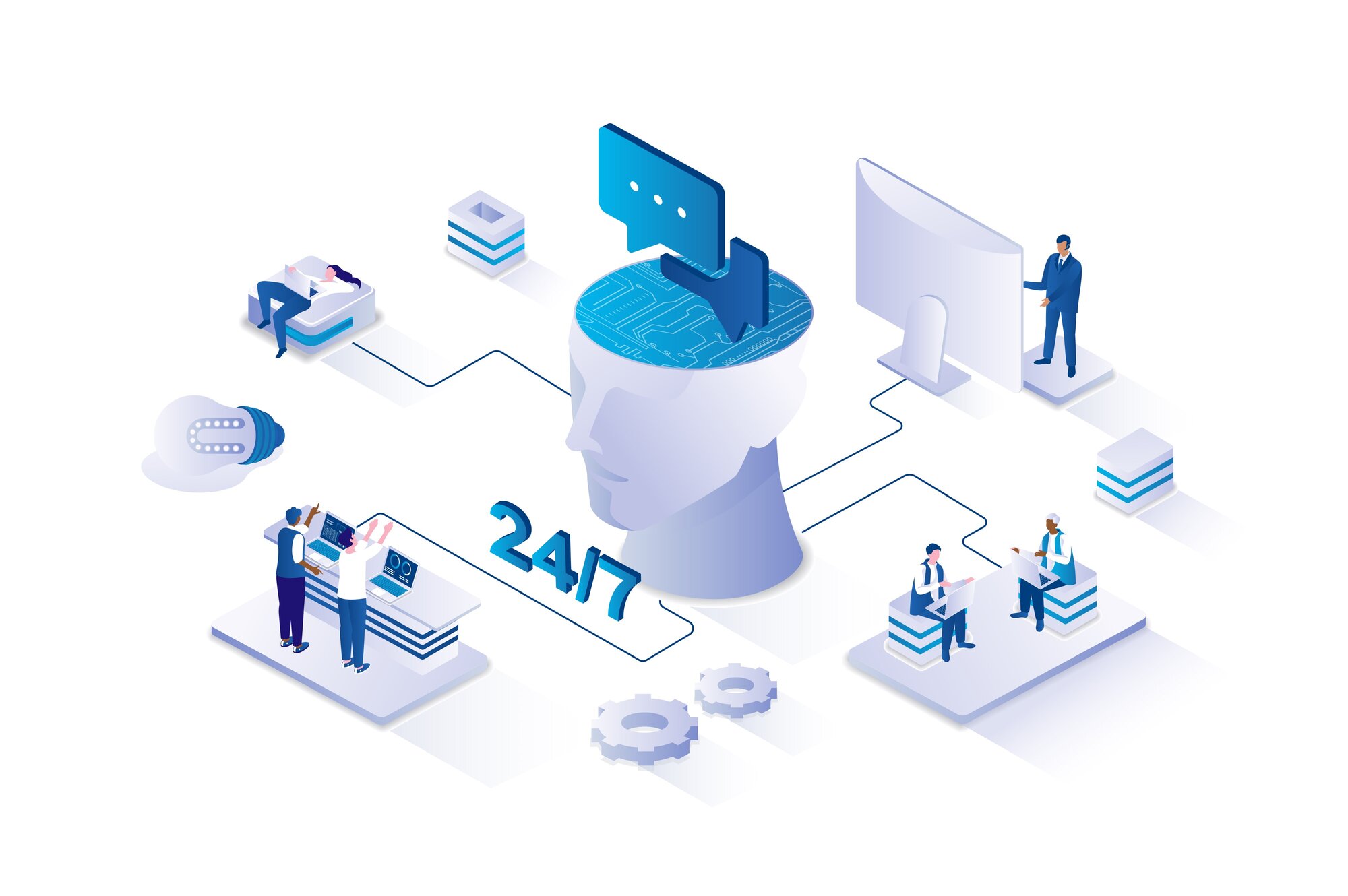
Organizations are already seeing tangible results from AI in four major areas of customer experience. In e‑commerce catalog management, AI helps maintain accurate product information across thousands of SKUs by automatically generating descriptions and updating specifications. In customer service, AI enables agents to quickly access relevant customer history and recommended solutions, dramatically reducing resolution times. Marketing teams use AI to create personalized campaigns, optimizing subject lines, product recommendations, and delivery timing for each individual customer. Finally, sales teams benefit from AI‑guided selling, which provides real‑time insights into customer needs and suggests next best actions to close deals more effectively.
AI as the Foundation of Future Customer Loyalty
As customer expectations continue to evolve, businesses must deliver experiences that are both efficient and highly personalized. AI provides the tools to achieve this balance by combining automation with deep data insights. Importantly, the goal of AI is not to replace human interaction but to empower employees with better information and tools. When implemented effectively, AI allows teams to focus on complex customer needs while automated systems handle repetitive tasks. Organizations that successfully integrate AI into their customer experience strategies will be better positioned to build long‑term loyalty and stand out in increasingly competitive markets.
Source: Win customers for life with AI: The new CX battleground, SAP.
Download the full report below.
Interested in the article and want to know more? |